
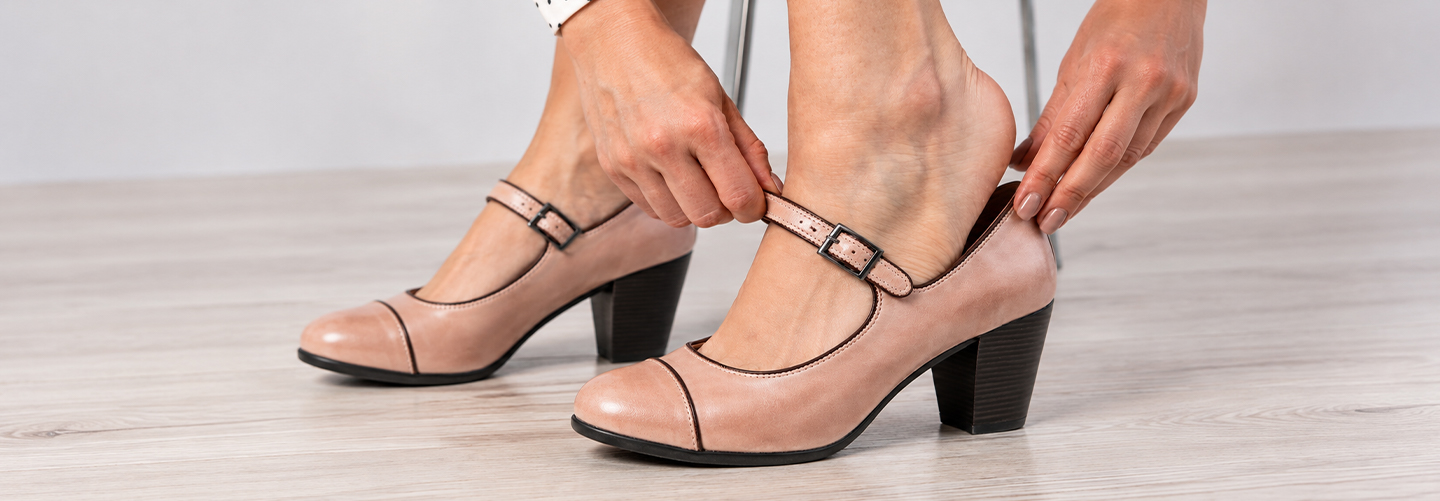
You can get access to countless styles with online shoe shopping, and you don’t require a trip to a physical store. Compare designs, examine product details, and place an order from nearly anywhere. However, there’s an obvious challenge that you’ll eventually face. The challenge of buying a shoe without actually trying them on.
While a pair may look suitable on screen, they may feel entirely different once worn. You will get useful guidance with size labels, but you won’t be able to tell anything regarding width, toe space, internal volume, material, or overall fit. Proportions and colors also appear somewhat different in product photographs, depending on lighting and display settings.
Want to make online shoe shopping easier? Take a more systematic approach. Don’t simply choose based primarily on appearance. Instead, use a checklist that can evaluate the information available before you order. Let’s take a look at the factors worth checking.
1. Measure Both Feet
A useful reference is your usual shoe, but when you know your actual measurements, you get more information to work with. You must measure both feet. Don’t simply assume that they’re identical. Small differences in length or width are common. Make sure you’re giving greater attention to the larger foot when selecting a footwear.
Always take measurements while you’re standing. This makes sure that you’re taking measurements when your feet are supporting your body weight. You may also consider measuring later in the day. During this time your feet become slightly fuller, as you’ve already completed several hours of normal activity.
For comparing against the sizing information provided for the shoe, record the length and width of your foot. Relying solely on a size that you’ve purchased earlier is a big mistake to commit.
2. Read the Size Chart
A false sense of certainty is created by a familiar size number. Between different footwear designs and sizing systems, sizing tends to vary. Even if a shoe is displaying the same numerical size, you may find noticeable differences in internal dimensions.
Always check the original sizing guide offered before ordering, and compare it with your own measurements. Check out which measurement is being used. Don’t simply assume that your regular size translates directly, if conversions are provided. Examine what’s provided.
Is your measurement falling between two provided sizes? Then you must consider the construction, width, socks, and intended use. Don’t randomly decide whether to size up or down.
3. Examine the Shoe's Shape
Shape can be a massive factor, as two shoes of the same length can fit very differently due to the same. Have a close look at the toe area and check whether it’s rounded, square, pointed, or tapered. Less usable toe space is created by a narrow shape, even if the overall length tends to be appropriate.
Similar attention is deserved by the middle and heel sections. Are your feet relatively wide? Then a narrow silhouette may feel restrictive. Are your heels narrow? Unwanted movement may be facilitated by a particularly spacious rear section.
You can understand the proportions more accurately by viewing photographs from several angles. Always choose according to your foot shape. Simply selecting based on visual appeal of the silhouette isn’t right.
4. Read the Material Information
Structure, flexibility, weight, and how a shoe feels during use are all dependent on the material. Look for a clear description of the upper, lining, insole, and outsole, before you order any pair. These details are generally available with product description.
While some materials are relatively flexible, others tend to maintain a firmer structure. When your feet sit between sizes or require additional width, such distinctions can become especially important. Don’t assume that a slightly restrictive shoe will eventually stretch enough to become suitable. There are certain elements that soften with regular use, materials and construction depend the amount of change always.
The initial dimensions still matter.
5. Check the Heel Construction
Both fit and stability are impacted by the heel. Check how the back of your chosen shoe is constructed. In comparison to a softer and less rigid design, a structured heel holds your foot differently. The heel height, width, and positioning must be considered in the case of raised footwear. All these elements tend to influence how weight is distributed while you’re standing and walking.
Useful visual clues are provided by product photographs. Side views tend to be particularly helpful here. They help in understanding heel height. Rear views on the other hand, can help in showing how broad or narrow the supporting structure appears.
Always consider how the construction corresponds with your intended use. Don’t simply pick a heel based on its aesthetic appeal. This can be a massive mistake to commit.
6. Consider How You Will Wear the Shoes
Thinking of ordering a pair. Before that ask what the purpose or use of the shoes is. If you’re purchasing a pair for commuting, it has different practical requirements in comparison to a footwear intended for shorter wear. When a pair is worn throughout the day, it has to accommodate more walking, standing, and natural changes to foot volume.
Also, you must consider your immediate environments and activities. Consider whether you’ll wear the shoes indoors or outdoors, whether you’ll walk significant distances wearing them, and whether stairs are common in your route or not. You can also consider how much time you’ll spend standing.
When you’re matching your footwear to real-life use, you can prevent yourself from purchasing a pair that may look aesthetic online, but has limited practical use.
8. Study All Available Images
Do not make a decision based only on the main product image. Review every available photograph. Front, side, rear, and overhead views can reveal information about shape and construction that a single image may hide. Zoom in when possible.
Look at seams, closures, sole thickness, texture, toe shape, and other design elements. If photographs show the shoe from different angles, compare them to understand its proportions. Remember that screen settings and photography conditions can influence how colors appear. If a particular shade is important to your purchase, read the written color description alongside the images.
9. Read the Entire Product Description
It is easy to skim a product page when the photographs have already captured your attention. That can mean missing useful details. Read the complete description before ordering. Look for information about fit, closure type, materials, sole construction, heel height, lining, fastening features, and other specifications.
If a product includes adjustable elements such as laces, buckles, or straps, consider how those features may affect fit. Do not assume a feature exists simply because it appears to be present in a photograph. Written specifications can provide additional context that images cannot.
10. Understand Shipping Information
Before placing an order, find out where the seller delivers and what the expected timeline is. Check whether delivery is available to your location and whether shipping charges apply. Look for information about order processing and estimated transit times. This becomes particularly important when buying footwear for a specific occasion or date. An attractive pair is not particularly useful for an upcoming event if it is unlikely to arrive beforehand.
Remember that processing and delivery can be separate stages. Read the available shipping information closely so you understand the overall estimated timeframe.
11. Review the Return Conditions
Even with accurate measurements and detailed research, online footwear may occasionally fit differently from what you expected. That makes the return conditions an important part of the purchasing decision. Before ordering, determine whether the item is eligible for return and how long the available return period lasts. Check what condition the footwear needs to be in and whether particular exclusions apply.
Also look for instructions explaining how a return must be requested and whether any associated costs are involved. Knowing these conditions before purchasing prevents unnecessary surprises afterward.
More Than Your Eyes
Online shoe shopping naturally begins with appearance, but a good purchasing decision requires more information than a photograph can provide. Measure both feet, study the sizing information, examine the shoe's shape, understand the materials, and think realistically about how you intend to wear it. Consider your socks, review every available image, read the specifications, and understand the shipping and return conditions before proceeding.
More importantly, avoid considering your usual shoe size as the only piece of information that matters. A shoe needs to work with the dimensions of your feet, your movement, and your daily routine. The advantage of an online shoe shopping checklist is simple: it encourages you to evaluate the details you can control before placing an order. A few extra minutes spent checking those details can make your final choice far more informed.